
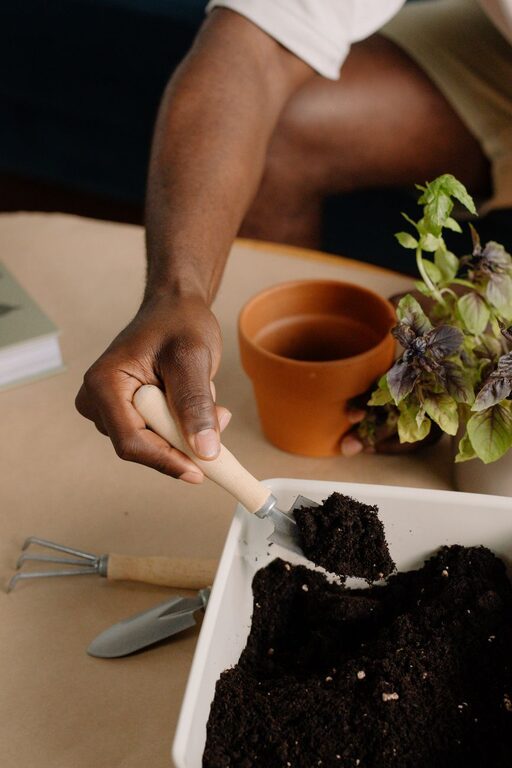
Starting an indoor herb garden is a wonderful way to enjoy fresh flavors and greenery year-round, no matter the size of your living space. Whether you want to enhance your cooking or add a touch of nature to your home, growing herbs indoors is surprisingly easy and rewarding.
In this guide, we walk you through everything you need to know to start a small herb garden indoors, from choosing the right herbs to caring for your plants.
Why Grow Herbs Indoors?
Growing herbs indoors offers several benefits:
– Freshness: Have fresh herbs at your fingertips for cooking.
– Convenience: No need to run to the store for fresh herbs.
– Decoration: Adds natural beauty to your kitchen or living space.
– Air Quality: Plants help purify indoor air.
– Year-round Gardening: Grow herbs regardless of season or weather.
Choosing the Right Herbs for Indoor Gardening
Some herbs are better suited for indoor growth than others. Here are some popular, easy-to-grow options:
Best Herbs for Beginners
– Basil: Loves warmth and sunlight; great for Italian dishes.
– Mint: Hardy and grows fast; perfect for teas and garnishes.
– Parsley: Tolerates moderate light; versatile in many recipes.
– Chives: Prefers sunny spots; great for salads and soups.
– Thyme: Small leaves with strong flavor; needs bright light.
– Oregano: Requires good sunlight; popular in Mediterranean cooking.
– Cilantro: Needs cooler temperatures; use in salsas and salads.
Materials Needed to Start Your Indoor Herb Garden
Before you begin, gather these basic supplies:
– Containers: Small pots or planters with drainage holes.
– Potting Soil: Light, well-draining soil designed for herbs or vegetables.
– Seeds or Starter Plants: Seeds are cheaper but take longer to grow; starter plants are easier to care for initially.
– Watering Can: For gentle watering.
– Tray or Saucer: To catch excess water.
– Fertilizer: Organic, balanced fertilizer to support growth.
– Grow Light (optional): Useful if natural light is limited.
Step-by-Step Guide to Planting Your Herbs
1. Select and Prepare Containers
Choose pots that are about 4-6 inches in diameter with drainage holes to avoid soggy soil. Clean your containers before use to reduce the risk of disease.
2. Fill with Potting Soil
Fill containers with fresh potting soil, leaving about half an inch of space at the top. Avoid garden soil as it may be too dense and carry pests.
3. Plant Seeds or Transplants
– Seeds: Plant seeds according to the depth recommended on the packet. Lightly press soil over seeds.
– Starter Plants: Gently remove from nursery pots and plant at the same depth in your containers.
Water gently to moisten the soil.
4. Choose a Sunny Location
Most herbs need 6-8 hours of sunlight each day. A south-facing windowsill is ideal. If natural light is limited, use a grow light set on a timer for 12-14 hours daily.
5. Water Consistently
Herbs prefer evenly moist soil but don’t like to sit in water. Water when the top inch of soil feels dry. Use a watering can with a narrow spout to avoid disturbing seedlings.
Caring for Your Indoor Herb Garden
Light and Temperature
– Place herbs where they get bright, indirect sunlight.
– Most herbs thrive in temperatures between 65–75°F.
– Avoid drafts and sudden temperature changes.
Watering Tips
– Check soil moisture regularly.
– Water in the morning to let excess moisture evaporate.
– Use room temperature water to avoid shocking roots.
Fertilizing
Feed herbs every 4-6 weeks with a balanced, water-soluble fertilizer diluted to half strength. Over-fertilizing can reduce flavor intensity.
Pruning and Harvesting
– Regular pruning encourages bushier growth.
– Harvest herbs by snipping just above a leaf node or stem junction.
– Avoid removing more than one-third of a plant at a time.
Troubleshooting Common Problems
Yellowing Leaves
Often caused by overwatering or poor drainage. Check pots for holes, reduce watering frequency.
Leggy or Sparse Plants
Usually a sign of insufficient light. Move plants to a sunnier spot or add a grow light.
Pests
Indoor herbs may attract aphids or spider mites. Use a gentle insecticidal soap or wipe leaves with a damp cloth.
Mold or Mildew
Avoid overwatering and improve air circulation near plants.
Tips for Expanding Your Garden
– Use vertical space with hanging pots or shelves.
– Try growing herbs like rosemary or lavender for variety.
– Experiment with microgreens from herb seeds for quick harvests.
Final Thoughts
Starting a small herb garden indoors is a fun, educational, and practical way to bring fresh flavors and greenery into your home. With the right care and attention, your herbs will thrive, providing delicious additions to your meals and a cheerful atmosphere in your living space. Give it a try—your kitchen will thank you!
Happy gardening!