
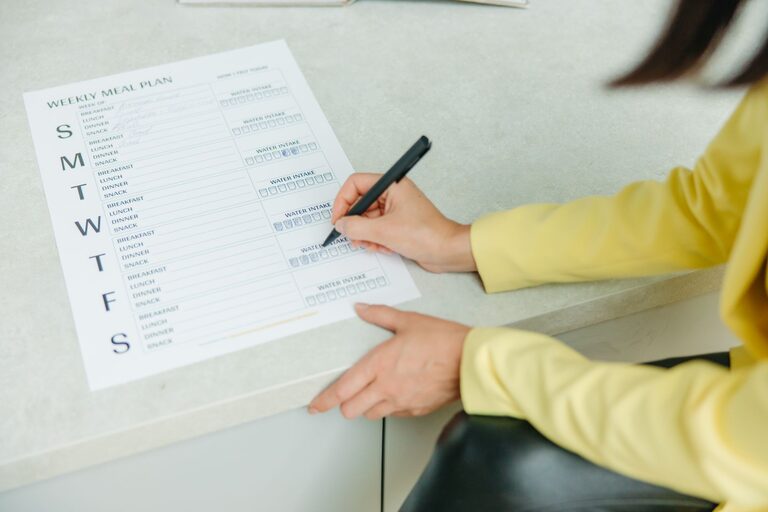
Planning your meals for the week can transform the way you approach cooking and eating. A simple weekly meal plan helps you stay organized, reduce last-minute stress, save money, and make healthier food choices. If you’re new to meal planning or want to keep it straightforward, this guide will walk you through the process step-by-step.
Why Create a Weekly Meal Plan?
Before diving into the how, it’s helpful to understand why meal planning is so beneficial:
– Saves time: Knowing what you’ll cook ahead cuts down on daily decision-making and trips to the grocery store.
– Reduces food waste: Planning meals means buying only what you need.
– Encourages healthier eating: Preparing meals in advance helps avoid fast food or unhealthy convenience options.
– Saves money: Shopping with a list focused on your plan prevents impulse buys.
– Eases stress: You won’t have to scramble every evening to figure out dinner.
Step 1: Assess Your Week Ahead
Look at your upcoming week to identify your schedule and energy levels:
– Are there nights you’ll be busy or tired?
– Will you eat out or have leftovers?
– Do you have events that will affect meal times?
Knowing this helps you plan meals that fit your lifestyle and avoid overcommitment.
Step 2: Choose Your Meals
Start by picking the main meals you want to prepare for the week: breakfast, lunch, and dinner. You don’t have to plan every meal, but having a solid outline helps.
Tips for selecting meals:
– Keep it simple: Aim for easy recipes, especially on busy days.
– Batch cook: Choose meals that can be made in larger portions and eaten over multiple days.
– Use ingredients across meals: Plan meals that use similar ingredients to reduce shopping and waste.
– Variety matters: Include different proteins, veggies, and grains for balanced nutrition.
Step 3: Create Your Meal Plan Template
Draft a simple grid or list showing your meals by day. You can do this on paper, in a spreadsheet, or use a meal planning app.
Example:
| Day | Breakfast | Lunch | Dinner |
|———-|—————|—————-|——————|
| Monday | Oatmeal & fruit| Chicken salad | Spaghetti & meat sauce |
| Tuesday | Yogurt & nuts | Leftover spaghetti | Stir-fry with rice |
| … | … | … | … |
Feel free to adjust as needed, and remember it’s okay to swap meals during the week.
Step 4: Write Your Grocery List
Once your meals are set, list all the ingredients you’ll need. Break your list down into sections like produce, dairy, meats, pantry items, and frozen goods to make shopping quicker.
Grocery list tips:
– Check your kitchen first to avoid duplicate purchases.
– Include staples like spices and oils if you’re running low.
– Consider portion sizes to match your meal plan servings.
Step 5: Grocery Shopping Tips
When shopping:
– Stick to your list to help manage your budget.
– Buy seasonal produce for freshness and savings.
– Consider bulk purchasing for items you use often.
– If short on time, try ordering groceries online for pickup or delivery.
Step 6: Prep Ahead
To make busy days easier, prep ingredients or meals in advance:
– Wash and chop veggies.
– Cook grains or proteins ahead of time.
– Portion out snacks and lunches.
– Use containers to organize meals in the fridge or freezer.
Meal prepping doesn’t have to take hours; even 30 minutes can make a big difference.
Step 7: Stay Flexible and Learn
Meal planning is a skill that improves with practice. Don’t stress if everything doesn’t go as planned. Use each week as a learning opportunity:
– Note which meals you enjoyed or found too time-consuming.
– Adjust portion sizes as needed.
– Try new recipes gradually to keep meals interesting.
Sample Simple Weekly Meal Plan Ideas
Here’s a sample plan to inspire you:
– Breakfasts: Overnight oats, scrambled eggs with toast, fruit smoothies
– Lunches: Turkey sandwich with veggies, quinoa salad with chickpeas, leftover dinner servings
– Dinners: Baked chicken with roasted vegetables, veggie stir-fry with rice, pasta with tomato sauce and steamed broccoli
Final Tips for Success
– Keep a list or folder of your favorite quick recipes.
– Use a calendar or planner for easy meal tracking.
– Involve family members in meal planning to share ideas.
– Don’t forget to hydrate and include snacks like nuts, fruits, or yogurt.
Creating a simple weekly meal plan doesn’t have to be complicated. With a bit of preparation and planning, you’ll enjoy more relaxed meals and healthier eating habits throughout the week. Happy cooking!